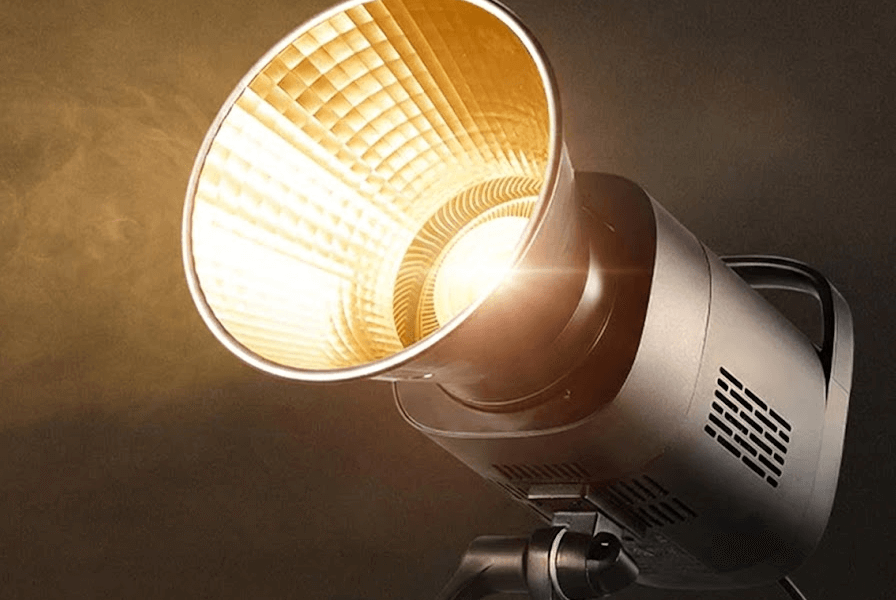
Introduction: What Does “COB LED Light” Mean—and Why Does It Matter?
If you’re new to studio or cinematic lighting, you’ve likely seen the term COB LED light everywhere.
It appears in product descriptions, YouTube reviews, and lighting tutorials—often presented as the secret to achieving a “cinematic look.” Yet for many beginners, the meaning behind COB LED lighting remains unclear.
This guide is here to answer one simple question:
What is a COB LED light, and why has it become the standard for modern studio lighting?
No sales pitches. No spec overload. Just a clear, practical explanation.
What Is a COB LED Light?
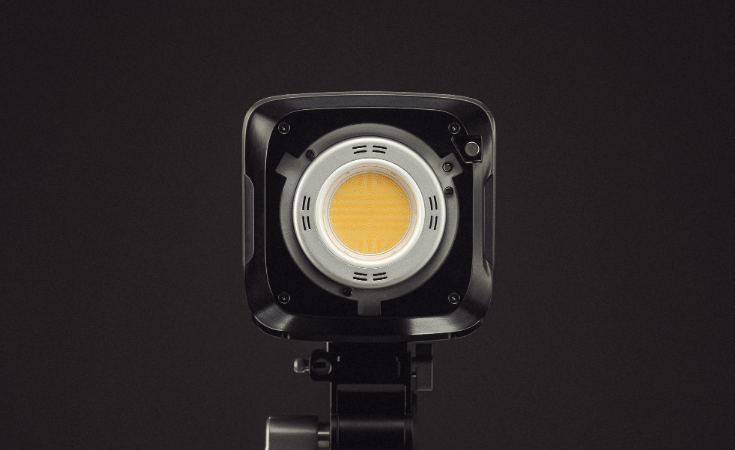
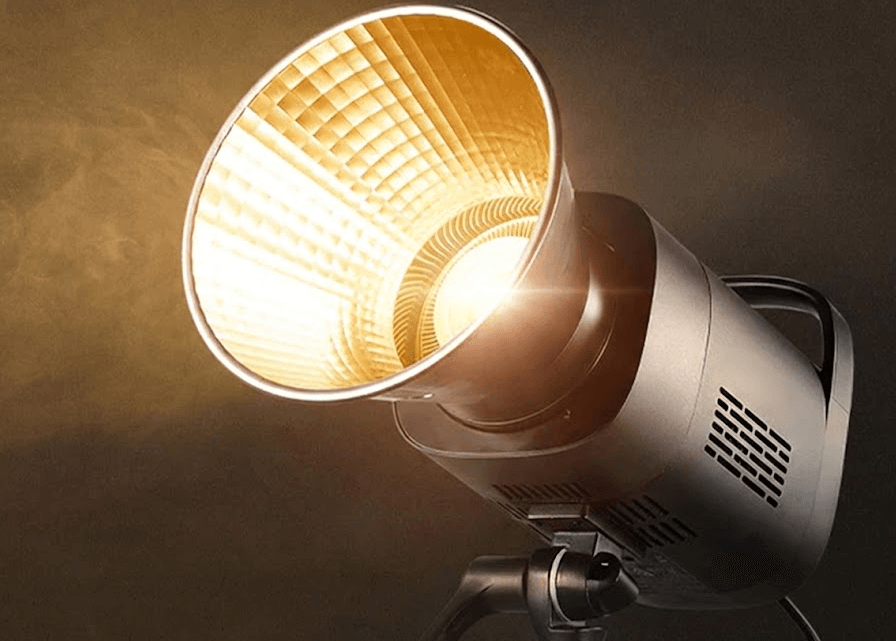
COB stands for Chip on Board, a method of LED packaging technology.
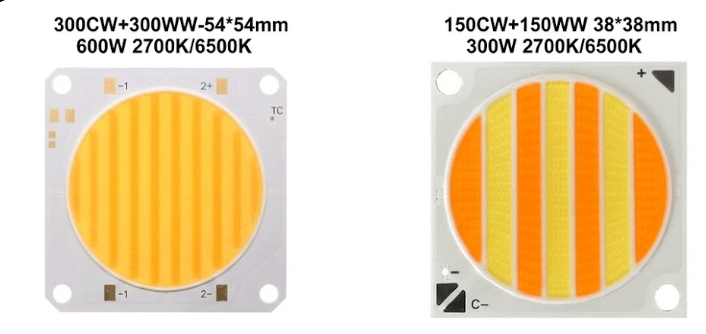
A COB LED light uses many LED chips packed tightly together onto a single board, forming one powerful, unified light source. This is fundamentally different from traditional LED panel lights, which spread dozens or even hundreds of small LEDs across a wide surface.
A simple way to visualize it:
- LED panel lights are like beans scattered across a table
- A COB LED light is those same beans pressed together into one glowing egg yolk
That single-source structure is what gives COB LED lighting its unique control, contrast, and cinematic character.
Why COB LED Lights Dominate Studio & Cinematic Lighting
Higher Output with Better Directional Control
Because light originates from a single, concentrated point, a COB LED light delivers more usable, directional output at the same wattage.
This doesn’t just mean brighter light—it means controllable light.
In real-world studio lighting, control is what allows you to shape contrast, manage shadows, and create depth.
Single-Shadow Lighting: The Cinematic Advantage
One of the most important benefits of COB LED lighting is how it handles shadows.
LED panel lights are made up of many individual light points, which can create multiple overlapping shadows when illuminating a subject. Even when subtle, this can make an image feel flat or unnatural.
A COB LED light behaves much more like a single point source, producing:
- One clean shadow
- Smooth falloff
- Natural contrast
This single-shadow quality is a cornerstone of cinematic lighting and a major reason COB LEDs have replaced traditional tungsten and Fresnel fixtures on modern sets.
The camera records the image.
Light shapes the image.
Modifier Compatibility and Creative Flexibility
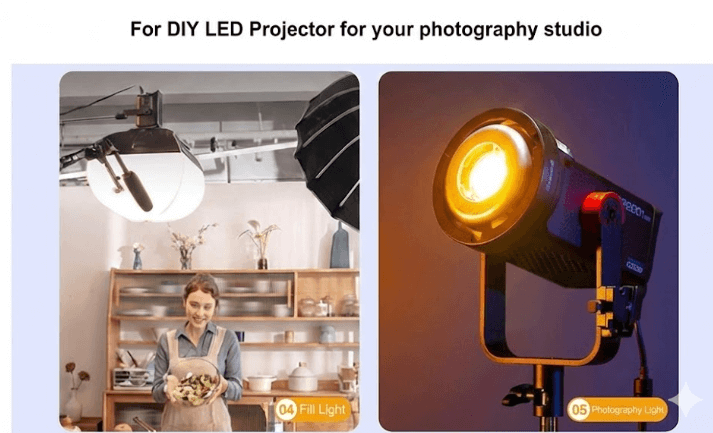
Most COB LED lights use the Bowens mount, an industry-standard modifier system. This allows creators to attach a wide range of light-shaping tools, including:
- Softboxes
- Lantern modifiers
- Beauty dishes
- Fresnel lenses
- Projection attachments and snoots
With the right modifiers, a single COB LED light can perform the role of many different fixtures—making it an ideal foundation for both beginner and professional studios.
The Vision Behind StudioLights.org
StudioLights.org was created to illuminate the art of cinematography and studio lighting for creators everywhere.
Founded by professional gaffer Lucas Gray, the site focuses on explaining lighting concepts clearly and practically—without marketing hype or unnecessary complexity.
While the internet is full of camera reviews, genuine education on shaping light remains surprisingly rare. StudioLights.org exists to bridge that gap.
Who Is Lucas Gray?
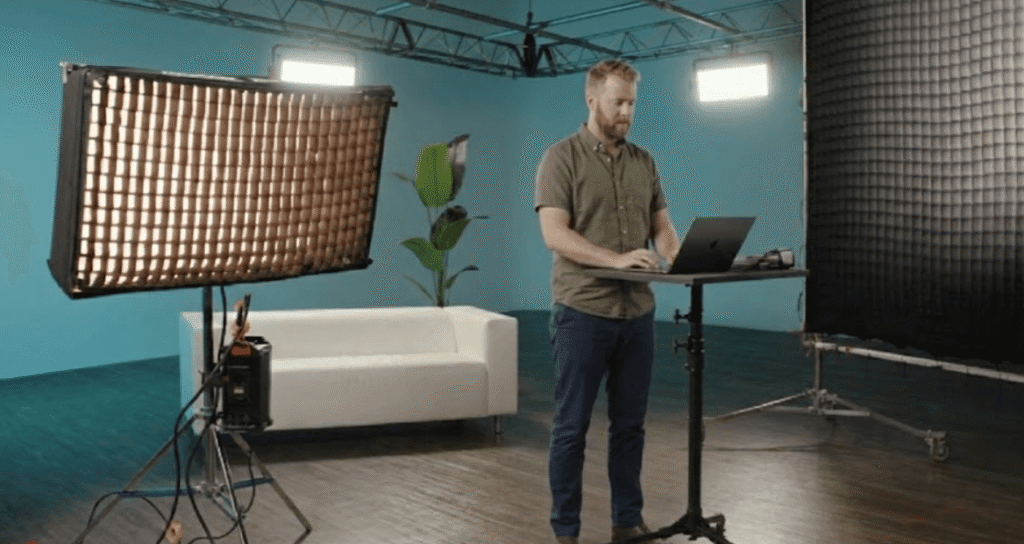
Based in the Midwest, Lucas Gray is a working gaffer and cinematographer with decades of experience in visual storytelling.
“My obsession with imagery started early. Film school taught me something fundamental:
the camera is just a box—light is the paint.”
Over the years, Lucas has worked on a wide range of productions, with lighting credits spanning major studio franchises and award-winning independent films. That experience informs the practical, real-world perspective behind every article on StudioLights.org.
What You’ll Learn on StudioLights.org
StudioLights.org is dedicated to helping creators understand lighting beyond specs and marketing claims. Here, you’ll find:
- In-depth COB LED light reviews
- Studio and cinematic lighting breakdowns
- Practical lighting tutorials for real setups
- Home studio build guides for all budgets
We believe that gear doesn’t create art—artists do.
But understanding light gives you far more control over the stories you tell.
Final Thoughts: Is a COB LED Light Right for Beginners?
If you’re just starting with studio or video lighting, learning how COB LED lights work is one of the strongest foundations you can build.
In upcoming articles, we’ll explore:
- COB LED lights vs LED panel lights
- One-light cinematic setups
- How to build a studio that feels intentional—not improvised
Welcome to StudioLights.org.
If you want to truly understand light, this is where the journey begins.