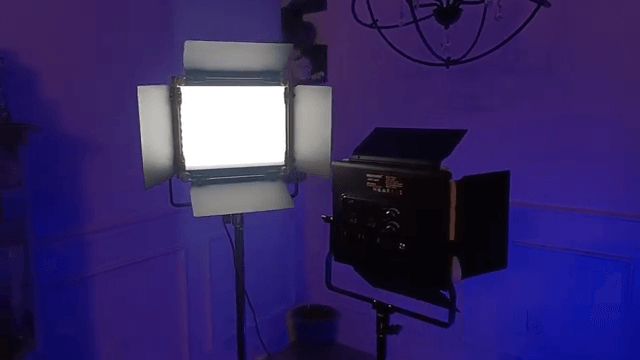
The Rise of LED Panel Lights in Video Production
Ten years ago, studio lighting meant heavy, hot, and dangerous tungsten bulbs. If you touched one, you got burned; if you left it on too long, you blew a fuse.
The rise of led lighting panels for video has fundamentally changed the game. By 2026, we’ve moved into the era of GaN (Gallium Nitride) technology and ultra-high-efficiency LED chips. LED panels have become the “Swiss Army Knife” for YouTube creators because they are thin, run cool, and can be powered by simple batteries. Whether you are shooting a high-stakes interview or a quick “Day in the Life” vlog, LED panels offer a “plug-and-play” simplicity that traditional studio lighting simply cannot match.
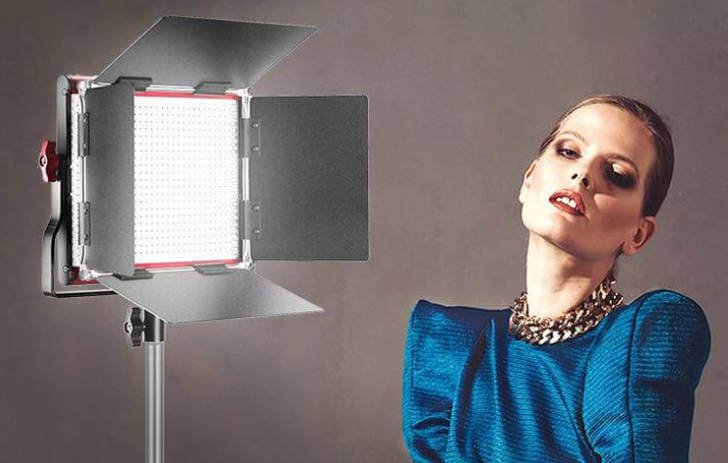
Key Benefits of LED Panel Lights for Video Production
Why should a YouTube blogger choose a panel over a traditional spotlight or a softbox? Here are the three reasons I tell every beginner:
- Natural Softness: Unlike a single high-intensity bulb, a panel consists of hundreds of tiny LEDs spread across a large surface. This creates an inherently “diffused” light source. For a YouTuber sitting at a desk, this means softer shadows under the eyes and a more flattering look for the skin without needing a massive, room-filling softbox.
- Heat Management: If you are filming in a small bedroom or a home office, heat is your enemy. Traditional lights turn a room into a sauna in 15 minutes. Professional led lighting panels for video remain cool to the touch, keeping you (and your makeup) looking fresh for long recording sessions.
- Space Efficiency: Most modern LED panels are less than 1 inch thick. You can mount them against a wall or in a tight corner where a traditional light stand wouldn’t fit. For the “Bedroom Studio,” this is a game-changer.
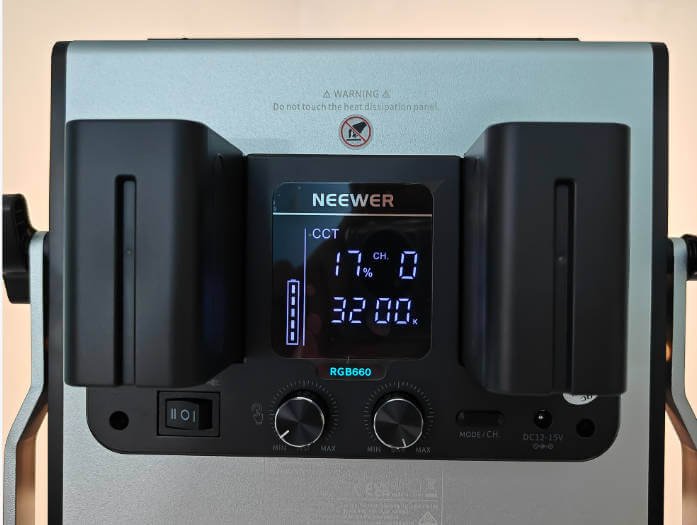
What Are the Most Important Parameters to Look for When Buying LED Lighting Panels for Video?
When you browse led lighting panels for video amazon listings, don’t get distracted by the lowest price. As a pro, I evaluate every light based on four critical metrics:
- CRI and TLCI (The 97+ Rule): CRI (Color Rendering Index) measures how accurately the light renders colors. In 2026, don’t settle for anything less than CRI 97. Even more important for video is TLCI (Television Lighting Consistency Index); look for 98+ to ensure your camera captures perfect skin tones.
- Flicker-Free Performance: Cheap LEDs flicker, which creates horizontal lines in your video. If you plan on shooting slow-motion (60fps or 120fps), ensure the panel is rated “flicker-free.”
- Lux vs. Watts: Don’t look at Watts (power consumption). Look at Lux @ 1 meter (actual brightness). A good key light should offer at least 3,000 Lux @ 1m for professional depth.
- Active vs. Passive Cooling: For YouTube, silence is mandatory. GVM Solutions often uses “Passive Cooling” (heavy-duty aluminum heat sinks), which means 0dB noise. If a light has a fan, make sure it’s a “Silent” model so it doesn’t ruin your audio.
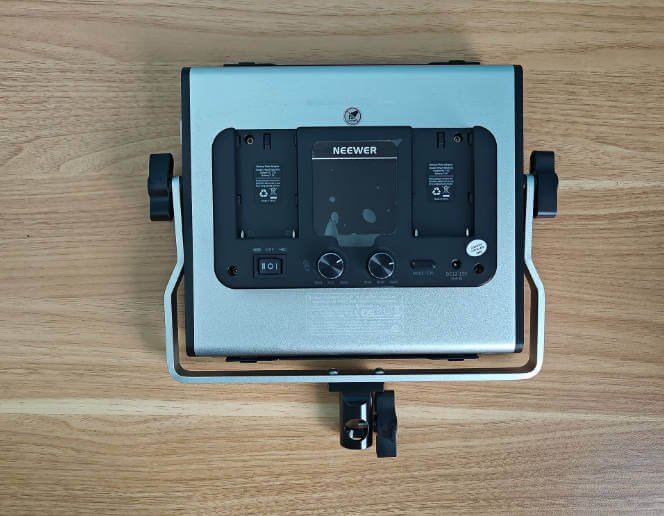
Mastering Your Setup: How to Use LED Lighting Panels for Video and Photography
Even the most expensive led lighting panels for video will look amateurish if placed incorrectly. Here is my “Pro Starter” workflow for YouTube:
The 45/45 Rule
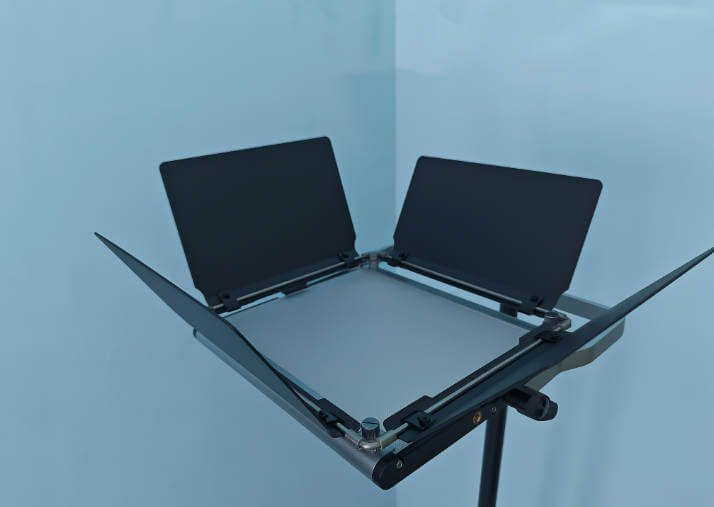
Place your main LED panel 45 degrees to the side of your face and 45 degrees above your eye level. This creates a “Rembrandt” lighting effect—a small triangle of light on the opposite cheek—which adds instant depth and a professional “cinematic” look to your vlog.
Feathering the Light
Don’t point the center of the panel directly at your face. Instead, angle it slightly so the edge of the light beam hits you. This is called “feathering.” Because the edges of an LED panel are softer than the center, this technique creates an even more natural transition from light to shadow on your skin.
Understand the Inverse Square Law
In physics, light intensity drops off exponentially as you move away.
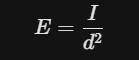
If you move your light twice as far away, you don’t get half the brightness—you get one-fourth. For a small YouTube setup, keep your led lighting panels for video as close to you as possible (just out of the camera frame) to get the softest, most flattering light.
Lucas’s Top Picks: The Best LED Lighting Panels for Video Recommendations
Based on my field testing in 2026, here is how the top contenders stack up.
Comparison: Neewer vs. GVM
| Feature | Neewer NL-192AI | Neewer NL660 | GVM 800D-RGB |
| Primary Use | Ultra-Portable / Zoom | Professional Studio | Creative Color / App |
| Max Brightness | 2400 Lux @ 0.5m | 3360 Lux @ 1m | 720 Lux @ 1m |
| Power Output | 20W | 40W | 40W |
| Battery Tech | Built-in 8000mAh | Optional NP-F | Optional NP-F |
| Control | On-board LCD | Manual Knobs | Smart App & Bluetooth |
1. The Studio Workhorse: Neewer NL660 Bi-Color
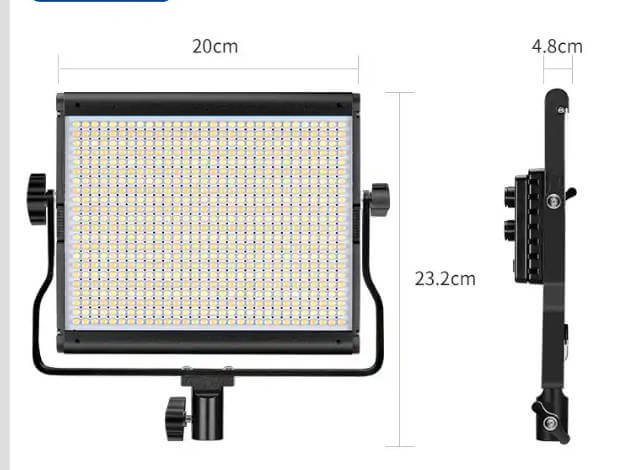
The Neewer 660 LED light is an industry legend. With 660 individual LEDs, it pumps out a massive 3360 Lux at 1 meter. If you need a powerful “Key Light” that can cut through a bright room, this is it. It’s built from premium aluminum, meaning it dissipates heat silently without a fan.
2. The Travel & Zoom King: Neewer NL-192AI
This is the best led light panel for video conference calls. It’s ultra-thin (only 1cm) and features a massive 8000mAh built-in battery. You can record for 90 minutes at full power without ever plugging it into a wall. It’s perfect for the nomadic creator who shoots in hotels or cafes.
3. The Creative Powerhouse: GVM 800D-RGB (GVM Solutions)
When you need more than just “white” light, GVM Solutions takes the lead. The 800D-RGB offers 360 customizable colors and 8 special lighting effects. Most importantly, the led lighting panels for video app allows you to control a 3-light setup directly from your phone. No more walking back and forth to adjust brightness.
LED Lighting Panels for Video vs. COB Lights: Which One is Right for You?
This is the biggest debate in the studio right now.
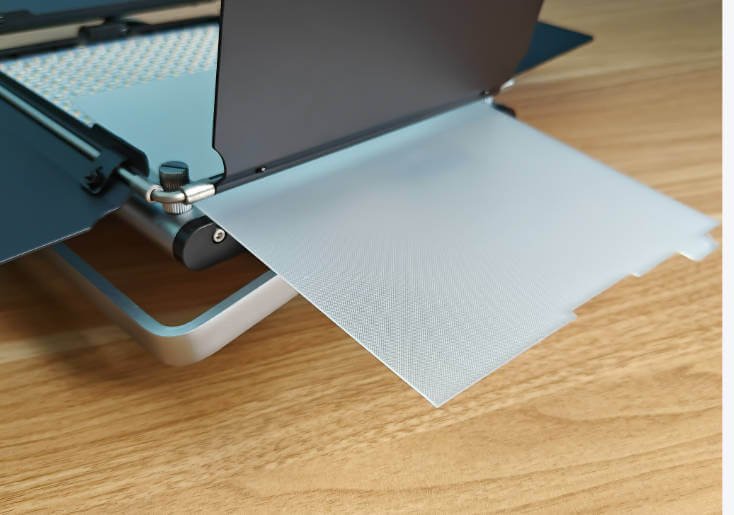
- LED Panels (like the Neewer 660 or GVM 800D) are “Area Lights.” They are soft by nature and perfect for interviews, talking-head videos, and small rooms. They take up very little space and are “set it and forget it” lights.
- COB (Chip-on-Board) Lights are “Point Sources.” They are much more powerful but produce very harsh shadows unless you add a massive, 36-inch softbox.
The Verdict: If you are a YouTube blogger working in a bedroom or a small office, go with led lighting panels for video. They are easier to use, more portable, and give you that soft “Pro” look instantly. If you are moving into high-end cinematic narrative work and have the space for large modifiers, then consider a COB.
Final Thoughts: Invest in Your Image
In 2026, your audience has high standards. They might forgive a slightly blurry background, but they will click away if your lighting looks like a 90s home video.
Investing in a high-CRI led lighting panel for video from a trusted brand like GVM or Neewer is the fastest way to increase your channel’s “Production Value.” Stop “guessing” with desk lamps and start “sculpting” with professional light.