A Professional Gaffer’s Guide to Visual Marketing, Physics-Based Lighting, and High-Conversion Imagery.
Table of Contents
I’m Lucas Gray. In my 10 years working on commercial sets from Vancouver to LA, I’ve seen million-dollar brands rise and fall based on one thing: The Image. In 2026, where the “no-physical-check” shopping model is the law of the land, your photo isn’t just a picture—it’s your entire sales team. At studiolights.org, we teach you to move past “bright photos” and start creating “converting photos.”
1. Why Quality is Non-Negotiable
Humans are visual creatures. 83% of the information we process comes from our eyes. If your product photo looks amateur, your brand is amateur. Period.
Conversion vs. Customer Satisfaction
Professional photography serves two masters. First, it drives sales by triggering an emotional “I want that” response. Second, it minimizes returns. If your lighting makes a navy-blue shirt look black, you’ve just created a customer service nightmare. High-fidelity color rendering (CRI) is your best tool for reducing complaints.
“Lucas’s Reality Check: I’ve seen brands spend $50k on a camera and then use a $20 light tent. Don’t be that guy. A $500 light used with proper physics will beat a $5,000 camera used with bad lighting every single day.”
2. Fashion & Apparel: Selling the Fit
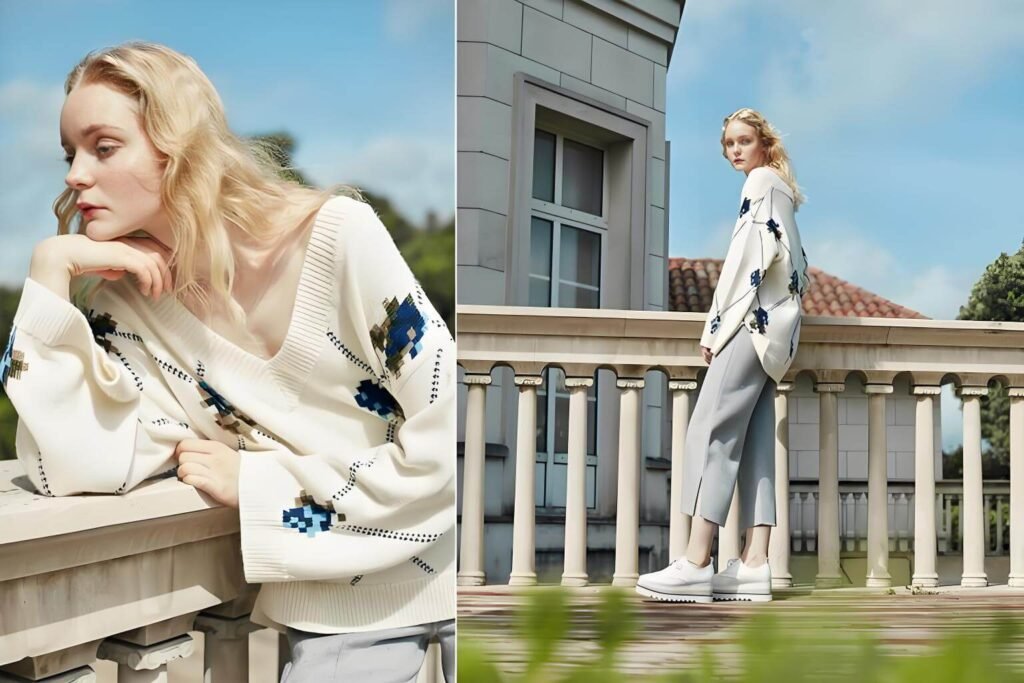
Apparel is tactile. Consumers need to “feel” the fabric through the screen. You have three primary ways to achieve this:
- Flat Lay: Cost-effective, clean, and perfect for showing garment shape. Gaffer Tip: Use side-lighting to reveal fabric texture.
- Mannequin (Ghost Mannequin): Excellent for showing fit without the cost of a model. It helps the buyer imagine themselves in the garment.
- Live Model: The gold standard. Models add lifestyle context and “aspiration.” It’s not just a coat; it’s a vibe.
Lighting for Textiles
Don’t over-diffuse. If you use a massive softbox directly in front, the clothes look like cardboard. Use a Rim Light to separate the fabric from the background and a Side Scrape to reveal the weave of the cotton or the sheen of the silk.
3. Accessories & Jewelry: The Physics of Glare
This is where most photographers quit. Glass, silver, and diamonds are mirror-surfaces. They don’t want to be “lit”; they want to reflect beauty.
The “Family of Angles” Rule
In jewelry photography, your light is a pool ball. If you place a light where the reflection bounces into the lens, you get a “hotspot.” Position your COB LEDs (like a GVM SD200B) outside the family of angles to maintain deep, rich blacks and crisp edge-highlights.

Expert Tools for Accessory Shoots:
- Small Hairdryer: Essential for clearing micro-dust that looks like boulders on a macro lens.
- Tweezers: Because your fingers are too big for precision placement.
- Black Flags: Use these to “paint” dark reflections into silver or gold. This creates the “luxury” contrast you see in Rolex ads.
4. Beauty & Cosmetics: The Glow of Safety
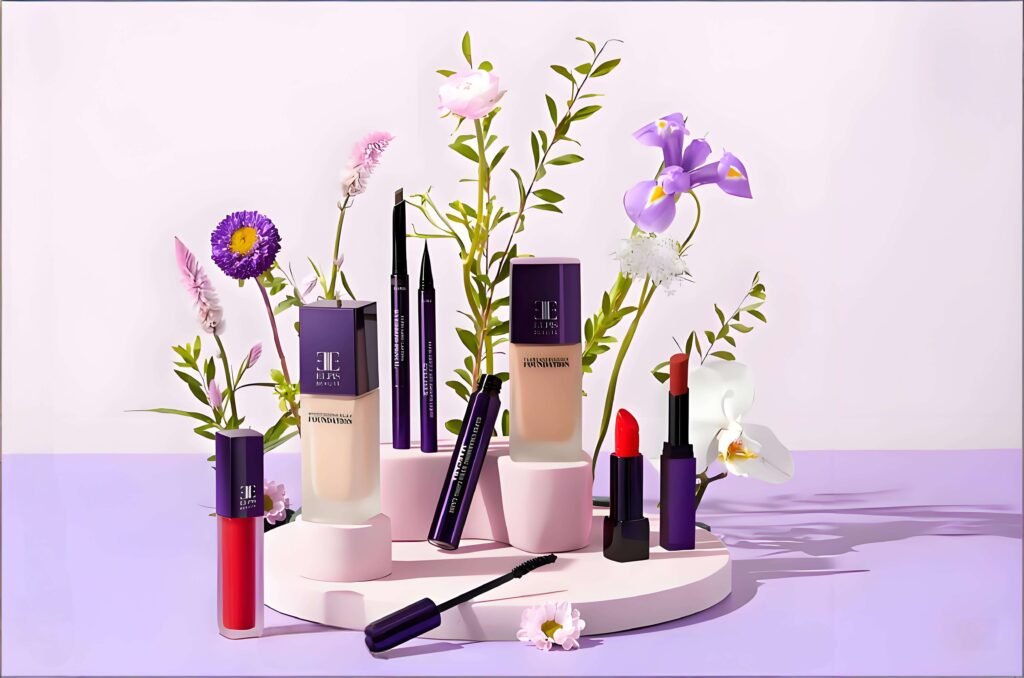
Cosmetics are about two things: Cleanliness and Aspiration. Your lighting must be high-key and surgical. In 2026, consumers want to see the texture of the cream and the purity of the ingredients.
The “White Room” Approach: Use a bright, white-walled space with a top-down lighting setup. This creates a “shadowless” but high-definition look that suggests clinical safety and luxury. For “Natural” beauty products, incorporate Green/Nature props. A splash of green propels the “organic” narrative into the subconscious.
5. Food: The Art of the “Hero” Shot
In food photography, accuracy is secondary to Craving. We want the viewer’s mouth to water. Forget “Frontal Lighting”—it makes food look greasy and flat.
The “Back-Light” Secret
Place your main light at the 10 o’clock or 2 o’clock position (Back-Side). This makes liquids (like soup or beer) glow and creates specular highlights on steam and oils, making the food look fresh and hot. Use Natural Light if possible, as it is the “honest” light that people associate with dining.
6. Industrial, Tech & Toys: Functionality first
For home appliances, gadgets, and collectibles, the buyer is looking for Detail and Durability. They want to see every button, port, and seam.
- Multi-Angle Coverage: For tech, the back and sides are as important as the front.
- High Resolution: These buyers zoom in. Ensure you have enough light (use a tripod and low ISO) to keep the image noise-free.
- Scenario Mapping: If it’s a child’s toy, use a child model. If it’s a coffee machine, show it in a modern kitchen. The context justifies the price.
Ready to Transform Your Studio?
Lighting is the difference between a product that sits in a warehouse and one that sells out. Browse our vetted reviews of the best commercial lighting gear.