By Lucas Gray | DP & Professional Gaffer
In the world of cinematography and photography, there is an ancient truth: “Light is everything.” For decades, we gaffers have “tamed” light using expensive fixtures, complex arrays, and precision light meters. But in 2026, the release of Seedance 2.0 signals a tectonic shift in the foundational logic of visual creation.
For the readers of Studiolights.org—professionals who live and breathe high-end lighting—Seedance 2.0 isn’t just another AI video generator. It is an infinite, physically accurate digital lighting laboratory.
Today, let’s dive into the four core ways Seedance 2.0 is reshaping our industry.
1. From “Physical Setup” to “Prompt-Based Lighting”
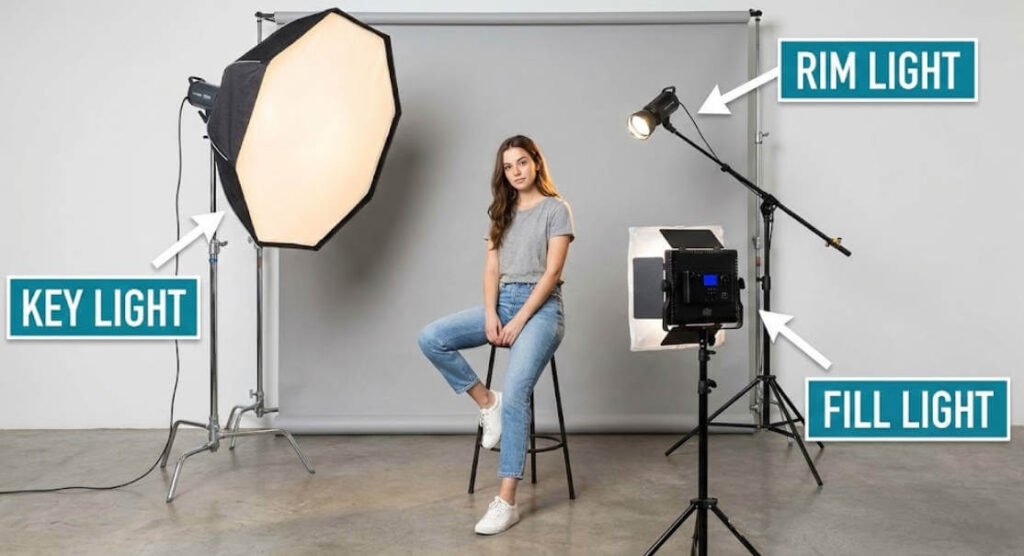
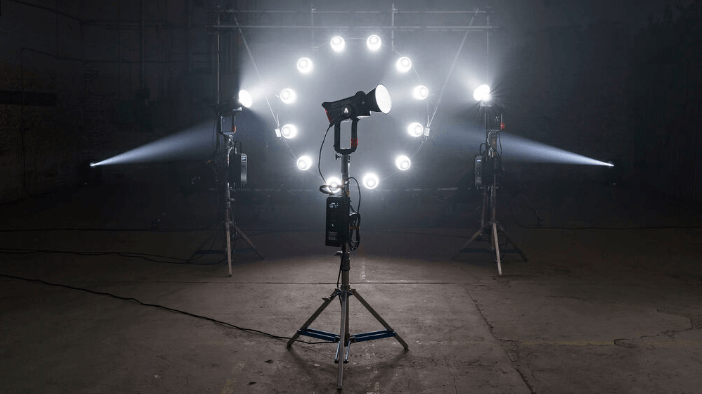
Traditional lighting requires us to struggle with the physical inertia of stands, power draw, color temperature, and modifiers. Seedance 2.0’s powerful physical simulation turns “lighting” into a declaration of intent.
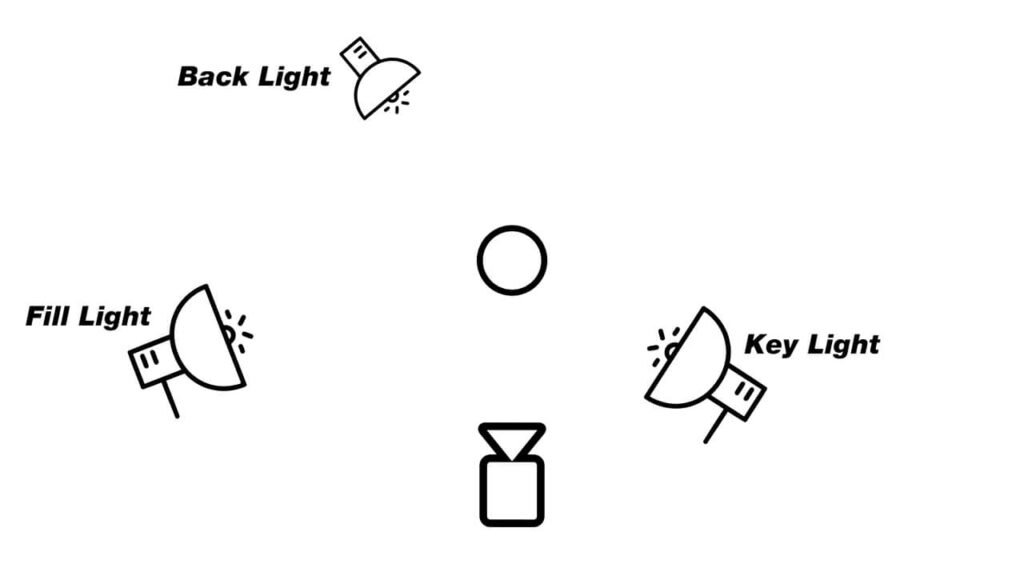
- Brute-Force Physical Accuracy: Seedance 2.0 handles reflections, global illumination, and complex shadow relationships with staggering realism. It can perfectly simulate a Rim Light catching a subject’s hair or the subtle scattering of the Tyndall effect in a foggy room.
- Low-Cost Pre-visualization (Pre-viz): Before picking up a single C-stand, you can now use Seedance to predict how different setups—like Rembrandt or Butterfly lighting—will fall on a specific face. It’s the ultimate tool for reducing friction between a DP’s vision and the final execution.
Lucas’s Insight: “Digital lighting” isn’t here to replace the set; it’s here to ensure that when we finally walk onto the stage, we already have the “Correct Answer” in our minds.
2. The Era of Generative Relighting: Redefining the “Bad Take”
In the past, if your lighting was off on set, your options in post-production were painfully limited. Seedance 2.0 and its underlying generative AI have turned “Post-Relighting” from a Hollywood luxury into a desktop standard.
| Feature | Traditional Post-Adjustment | Seedance 2.0 Generative Relighting |
| Spatial Depth | Limited to 2D brightness/contrast | Recognizes surface normals to “move” light sources |
| Color Interaction | Filter-like overlays (destructive) | Regenerates pixels with realistic $CCT$ interaction |
| Dynamic Shadows | Virtually impossible to change | Shadows physically morph as the light source moves |
This capability fundamentally changes the definition of a “failed shot.” As long as the core composition is sound, fine-tuning the lighting ratio and color temperature becomes a creative choice rather than a technical rescue mission.
3. Democratizing Virtual Production
Seedance 2.0 generates high-quality dynamic backgrounds with baked-in lighting interaction. For small studios, this means you no longer need a multi-million dollar LED Volume to achieve unified lighting in a virtual environment.
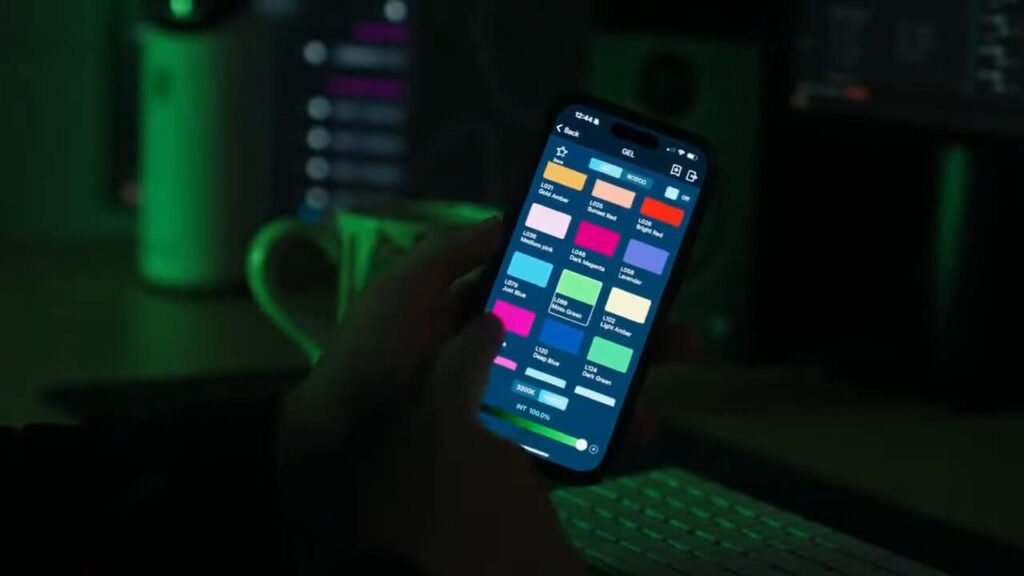
As AI backgrounds begin to simulate natural light flow in real-time, the role of physical studio lights (like our GVM arrays) will shift toward “Matching and Filling.” The gaffer of the future will be controlling a lighting rig with an iPad, perfectly syncing the physical foreground with an AI-generated cyberpunk sunset.
4. The Warning: Your Aesthetic IQ is Your Only Moat
This is the biggest takeaway from Seedance 2.0: When AI can easily simulate the effect of a $\$50,000$ lighting rig, where does the photographer’s value lie?
The answer is: Storytelling with Light.
Seedance 2.0 can generate “light,” but it doesn’t know why that light needs to be there.
- It can create a shadow, but it doesn’t know how to use it to evoke fear.
- It can generate a warm glow, but it doesn’t know how to use it to signal nostalgia.
The top-tier creators of tomorrow will be “Hybrid Creators”—masters who can command physical gear like GVM or Aputure while precisely directing AI-generated lighting.
Final Thoughts
Seedance 2.0 isn’t here to take the gaffer’s job; it’s here to liberate us from the heavy lifting and the tedious trial-and-error.
For the Studiolights.org community, mastering your basic skills remains essential. But understanding how AI simulates these effects will determine whether you stay ahead of the curve in the next decade. The essence of light hasn’t changed—only the way we control it.