By Lucas Gray | Professional Gaffer & Founder of StudioLights.org
In the world of cinematography, light isn’t just a utility; it is the brushstroke that defines the narrative. For years, professional-grade lighting was a luxury reserved for high-budget Hollywood sets. However, the rise of the godox video light ecosystem has fundamentally democratized high-end production.
As we move through 2026, Godox has evolved from a “budget alternative” to an industry disruptor. Whether you are a solo YouTuber filming in 8K or a professional gaffer on a commercial set, chances are, a Godox fixture is part of your toolkit. In this comprehensive guide, we will explore why Godox has become the backbone of modern content creation and how to choose the perfect light for your vision.
From “Budget Alternative” to “Industry Leader”: The Evolution of Godox
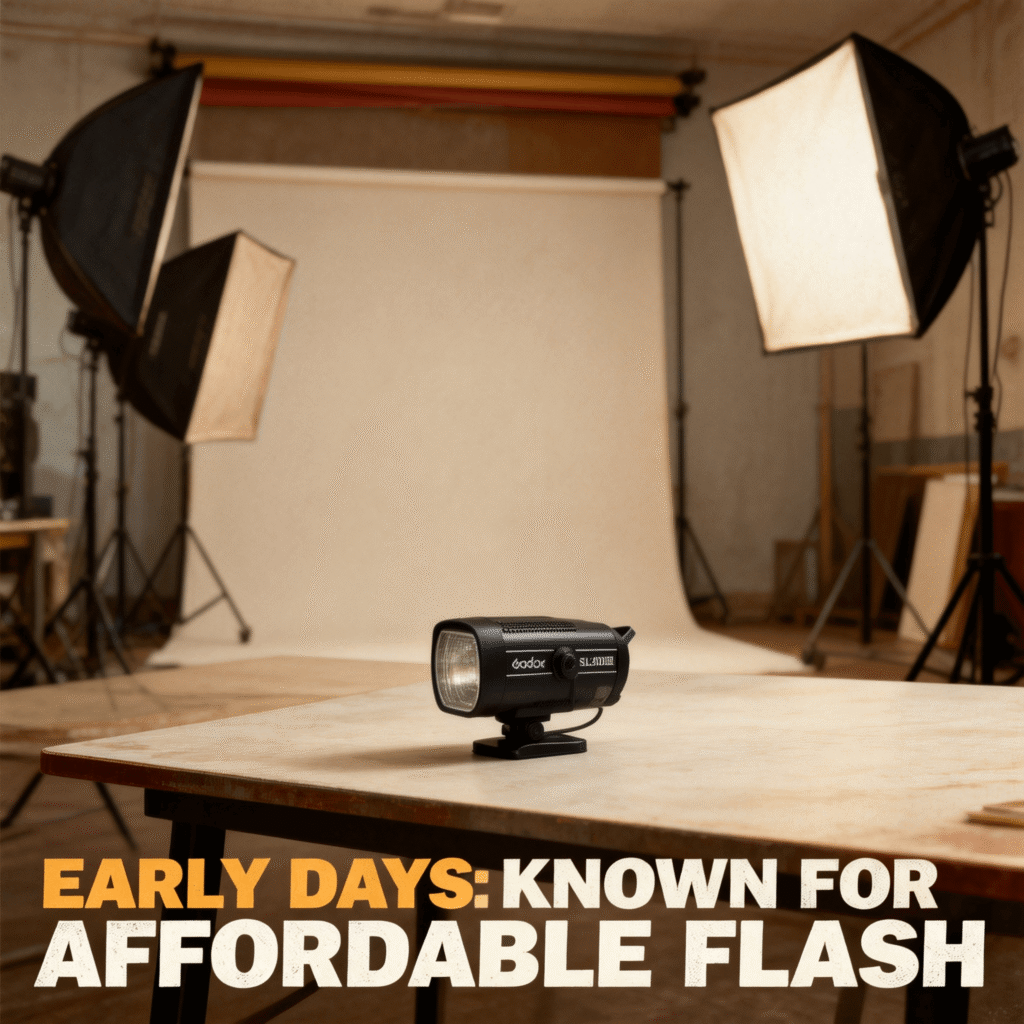
The history of Godox is a masterclass in rapid innovation. Initially known for affordable speedlites, the brand pivoted toward continuous lighting with a focus on color science and build quality. Today, a godox video light is no longer just a cheap substitute for expensive brands like Aputure or Arri; it is a specialized tool that often leads the market in thermal management and app integration.
The introduction of the Knowled series marked Godox’s official entry into the high-end cinema market, offering fixtures that can withstand the rigors of professional film sets while maintaining the color accuracy required for high-stakes color grading.
Understanding the Godox Video Light Ecosystem: Which Category Fits Your Needs?
To navigate the vast sea of Godox products, we must categorize them based on their physical architecture and intended use cases:
1. COB Point Source Lights: The Backbone of Your Studio
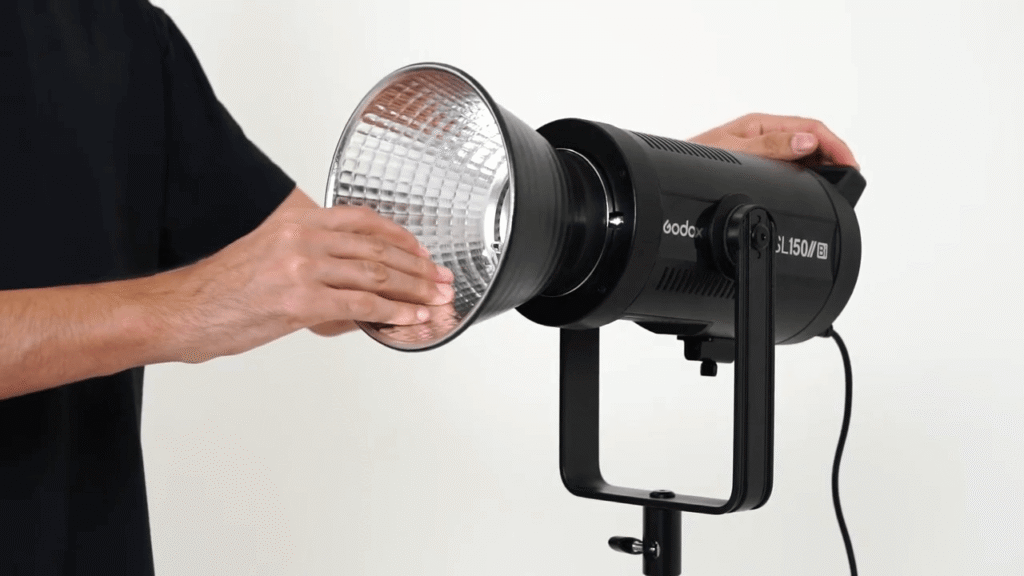
Chip-on-Board (COB) lights are the most popular form of godox video light. They utilize a Bowens mount, allowing you to attach almost any professional modifier.
- The SL Series (SL60, SL150, SL300): These are the workhorses. The SL150III Bi-Color is currently the “sweet spot” for YouTubers, offering silent cooling and enough power for most indoor setups.
- The VL Series: Designed with a separate controller box, these are ideal for booming overhead, as the light head remains lightweight.
- The SZ Series: These are zoomable COB lights, allowing you to adjust the beam angle physically—a game-changer for dramatic, high-contrast interviews.
2. The Knowled Series: Professional Cinema Power
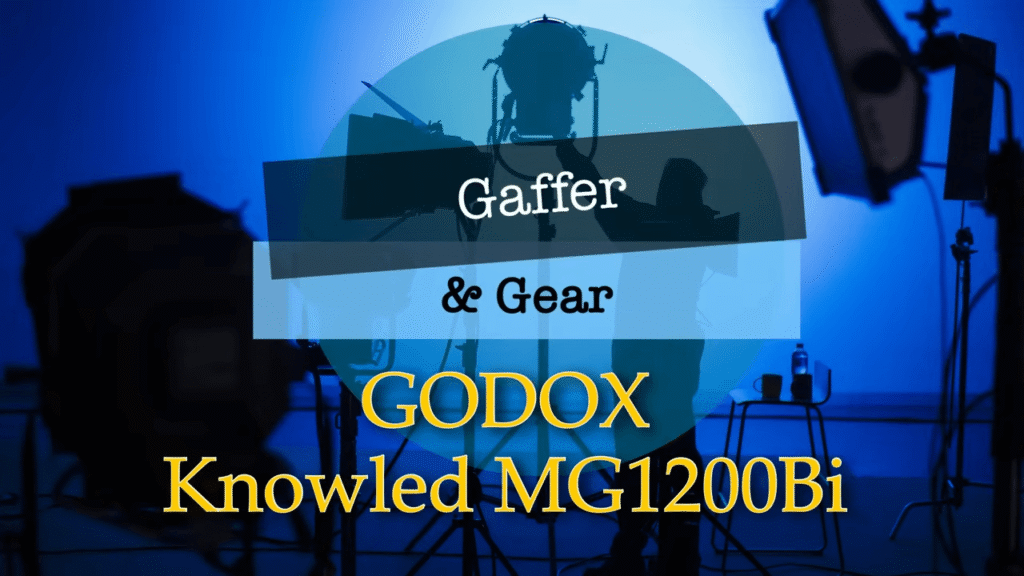
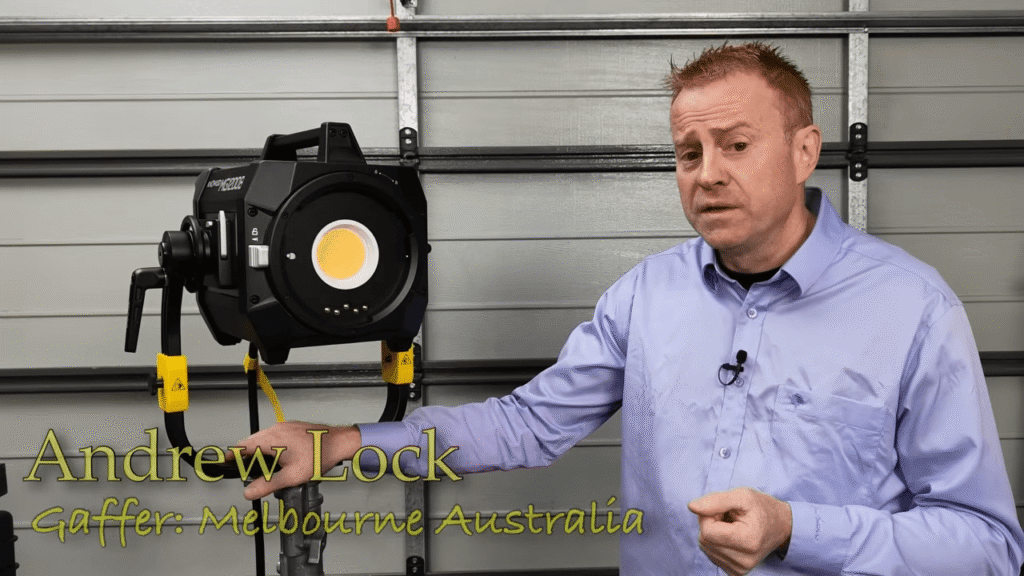
If you require industrial-grade output, the Knowled series (e.g., M200, M600, MG1200Bi) is the answer. The flagship MG1200Bi is a beast capable of simulating sunlight through a window, featuring IP54 weatherproofing for outdoor shoots.
3. Portable and Flexible LED Solutions
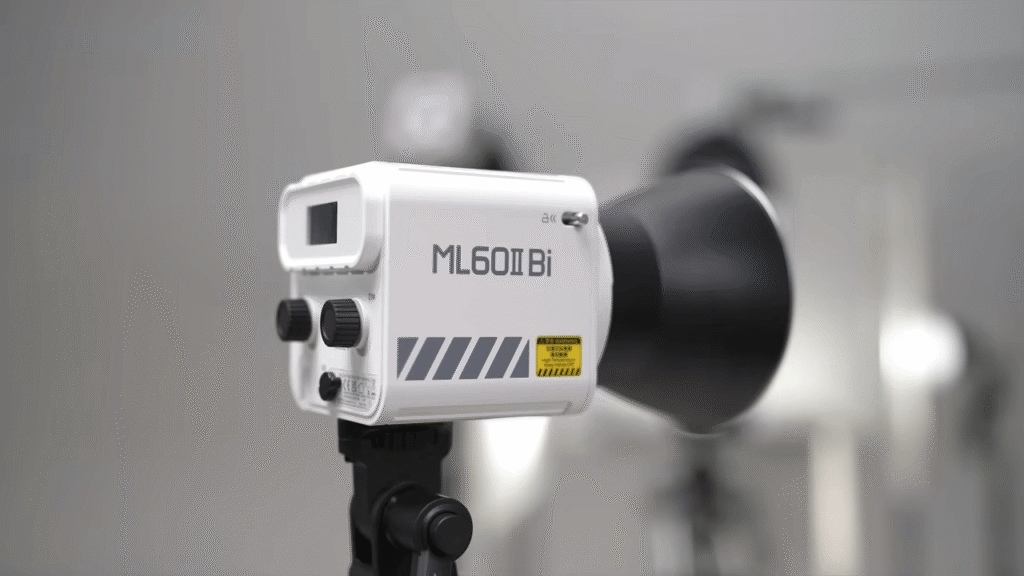
- The ML Series: Compact, handheld-friendly lights like the ML60II Bi are perfect for “run-and-gun” documentaries.
- Flexible LED Mats (F Series): These can be rolled, folded, or taped into tight spaces like car interiors or elevators, providing soft light where traditional stands can’t reach.
The Physics of Light: Why Technical Accuracy Matters
As a gaffer, I don’t just look at a light’s price; I look at its physics. A high-quality godox video light must excel in two areas: color rendering and intensity management.
Color Science: CRI and TLCI
In 2026, professional standards demand a Color Rendering Index (CRI) of $\ge 96$ and a Television Lighting Consistency Index (TLCI) of $\ge 97$. Godox fixtures consistently hit these marks, ensuring that skin tones look natural rather than sickly or overly magenta.
Intensity and the Inverse Square Law
Understanding how a godox video light behaves in space requires knowledge of the Inverse Square Law. The intensity of light ($E$) is inversely proportional to the square of the distance ($d$) from the source:
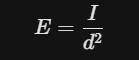
Where $I$ is the luminous intensity. Godox’s high-output units like the MG1200Bi provide enough “raw punch” to compensate for this falloff, even when using heavy diffusion or bouncing light off a ceiling.
Top 3 Godox Video Light Recommendations for 2026
Based on extensive testing at StudioLights.org, here are the three must-have fixtures for the current year:
1. The Best for YouTube: Godox SL150III Bi-Color
- Why: It combines silent operation with bi-color flexibility (2800K-6500K). It’s the perfect “set it and forget it” light for any home studio.
- Pro Tip: Use the Godox Light App to save your “Skin Tone Preset” for consistent look every time you record.
2. The Best for Travel: Godox ML60II Bi
- Why: It’s roughly the size of a water bottle but packs a professional punch. It can be powered by NP-F batteries, making it the king of outdoor interviews.
3. The Professional Choice: Godox Knowled MG1200Bi
- Why: This is the LED equivalent of a traditional HMI. It is the only godox video light that truly competes with high-end cinema lights in terms of pure lux output and color stability.
Shaping the Beam: Essential Accessories for Your Godox Setup
Buying a godox video light is only half the battle. To create a “cinematic” look, you must shape the light using modifiers:
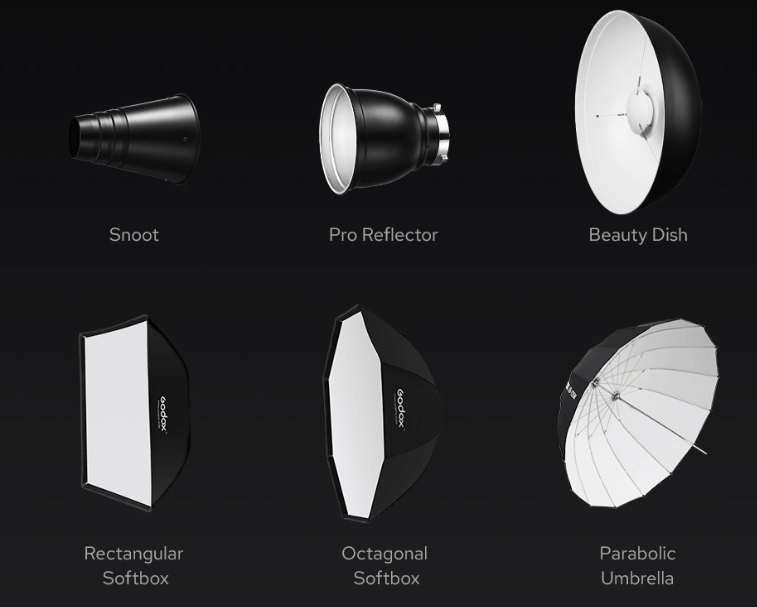
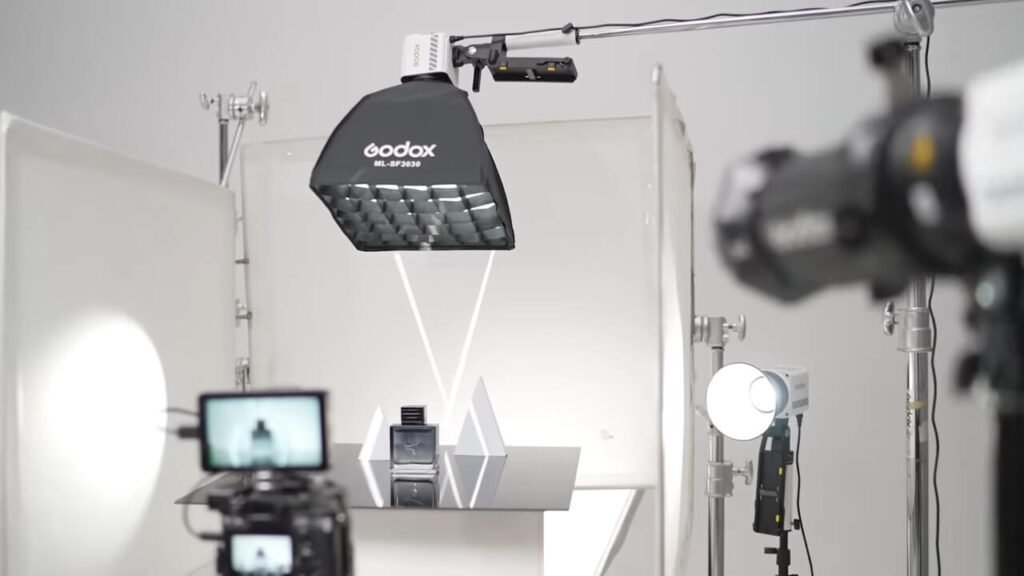
- Softboxes (QR Series): Godox’s quick-release softboxes are essential for solo creators. They turn a harsh point source into a flattering, window-like glow in seconds.
- Fresnel Lenses: Use these to concentrate the beam, increasing its “throw” and creating sharp, dramatic shadows reminiscent of classic Film Noir.
- Lantern Softboxes: Perfect for “space lighting,” providing a soft 360-degree wash of light that fills an entire room naturally.
Conclusion: Light is Affordable, but Vision is Priceless
The true value of a godox video light lies in its reliability. In the modern era, high-quality lighting has become affordable, leaving no excuse for poor visual storytelling. Whether you are just starting your journey on YouTube or managing a professional crew, the Godox ecosystem provides the tools to turn your creative vision into a tangible reality.
Remember: The light is just a tool. It is your understanding of shadow and contrast that defines your art.