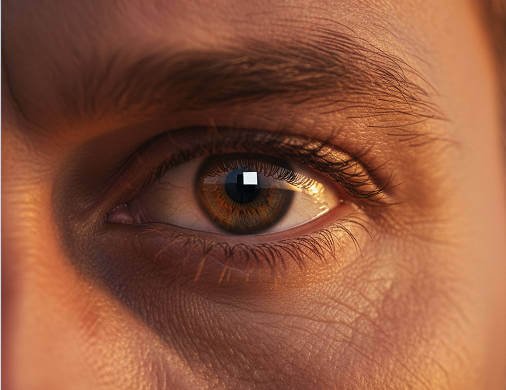
Wielding nothing but light and shadow, a Gaffer is the Chief Lighting Technician and the unseen soul behind a film’s visual identity. For outsiders and aspiring filmmakers, the role remains shrouded in mystery—often confused with the grip department or overlooked entirely. Yet, while actors command the screen, the Gaffer silently sculpts the color, mood, and depth of every frame. I’m Lucas Gray, a working Gaffer with credits on major films like The Twilight Saga, and in this guide, I’ll demystify exactly what a Gaffer does on a movie set.
What Does a Gaffer Do on a Movie Set? My Complete Guide to Film Lighting Roles
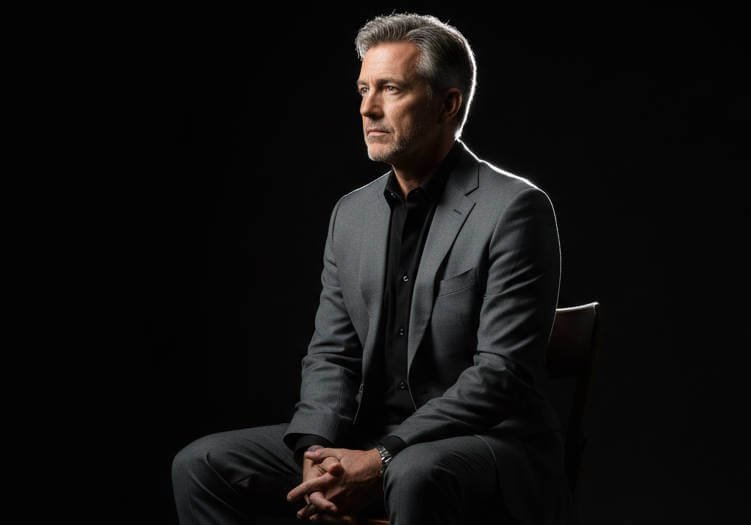
People often ask me, “Lucas, what do you actually do on a movie set?” My answer is always the same: I paint with light. While the camera is just a box, light is the paint. My job is to translate the Director of Photography’s vision into reality, shaping how you feel about every single frame. It’s one of the most underappreciated crafts in filmmaking, and today, I’m pulling back the curtain.
The Role of the Film Lighting Department
In my world, the lighting department isn’t just about flipping a switch to banish the dark. We are responsible for creating, controlling, and manipulating light to support the story. It’s about crafting a visual language that brings the director’s vision to life.
On any professional set I run, we don’t work in a vacuum. We are the central hub connecting three critical teams:
- The Director of Photography (DoP): I am the DoP’s right hand. They give me the look; I build the lighting to match it.
- The Grip Department: These are my rigging partners. I need their muscle and hardware to hang and shape my lights.
- The Camera Crew: Lighting is useless if it doesn’t align with the lens. We sync up constantly to ensure the light fits the frame.
It takes technical mastery, but honestly, communication is just as vital. If I can’t talk to these teams clearly, the shot falls apart.
Who’s Who in the Lighting Department
Over the years, I’ve worked with hundreds of crew members. Here’s how I see the hierarchy from my perspective as a Gaffer.
Gaffer – Chief Lighting Technician
That’s me. As the head of the department, my job starts long before the actors arrive. My core responsibilities are:
- Planning: I sit with the DoP to plan our lighting schemes. We break down the script together.
- Design & Execution: I design the lighting setups and make sure they happen on the floor.
- Gear Selection: I decide what we’re using—whether it’s HMIs for daylight, LEDs for versatility, or Tungsten for that classic warmth.
- Leadership: I manage the lighting crew and enforce strict safety protocols.
- Problem Solving: Sets are chaotic. If a light flickers or the sun suddenly comes out, I’m the one fixing it in real-time.
Someone once asked me if my job was tiring. I told them: “It’s not just about lighting a scene; it’s about sculpting emotion with shadows and highlights.”
Best Boy Electric
My right-hand person is the Best Boy Electric. Think of them as the COO of the lighting department. While I’m focused on the creative and technical execution, they handle the logistics that keep us alive.
Their duties include:
- Managing the department’s logistics and schedules.
- Coordinating the lighting technicians.
- Tracking our massive equipment inventory (it’s easy to lose a $5,000 head in a sea of black cases).
- Handling rentals and transport.
Quick note: I hear “Best Boy Gaffer” a lot from newbies. The correct term is Best Boy Electric. Let’s keep it professional.
Lighting Technicians (Sparks)
These are my “Sparks.” They are the backbone of the crew. While I’m looking at a monitor, they are the ones climbing ladders and getting their hands dirty. They set up the fixtures, adjust the dimmers, troubleshoot electrical issues, and handle the high-voltage equipment that keeps me up at night worrying about safety.
Gaffer vs Grip – What’s the Difference?
I get this question all the time, especially from aspiring filmmakers. It’s simple: Grips rig it, and we light it.
- Me (The Gaffer): I lead the electrical department. I decide where the light goes and how bright it is.
- The Key Grip: Leads the grip department. They handle the non-electrical support—the stands, the pipes, the flags to block light, and the diffusers to soften it.
We are inseparable on set, but our jobs are distinct. Without a good Key Grip, my lights have nowhere to go.
Pre-Production, On-Set & Post-Production Duties
My job doesn’t start when the generator roars to life. It spans the entire production timeline.
Pre-Production
Before we shoot a single frame, I’m reading scripts to anticipate lighting needs. I go on location scouts to see where the sun hits. I draw up lighting plots and plan our power distribution. If we need a specific 20K HMI, I’m the one ordering it.
On-Set
When we’re rolling, I’m executing the plan. But things change—actors move, cameras dolly in. I’m constantly adapting to maintain visual consistency. Safety is my number one priority; a hot set is dangerous, and I won’t compromise on that.
Post-Production Support
Even after we wrap, my job isn’t done. I provide lighting data to the colorists for grading. If there’s a reshoot or a VFX shot, the team calls me to ensure the lighting matches perfectly. Continuity is king.
Essential Lighting Equipment I Use
My toolkit is my lifeline. Depending on the scene, here’s what I’m reaching for:
| Equipment | Why I Use It |
|---|---|
| HMI Lights | The gold standard for daylight balance and punch. Essential for exteriors. |
| LED Panels | Game-changers. Energy-efficient and adjustable. Perfect for tight spaces. |
| Fresnel Lights | I love the control. I can spot or flood an area with precision. |
| Softboxes / Diffusers | To wrap the light around faces and eliminate harsh shadows. |
| Dimmers | For that subtle shift in mood without moving a light. |
| Color Gels | To change the temperature or add a creative color wash. |
Safety with high-voltage gear is non-negotiable. I drill it into my crew every day.
How Lighting Shapes Storytelling
To me, lighting is everything. It’s not just technical; it’s emotional.
- Warm Tones: I use these to evoke comfort or nostalgia.
- Cool Tones: Perfect for creating tension or a sense of detachment.
- High Contrast: This is my go-to for mystery and suspense—just look at any classic Film Noir.
- Shadows: Sometimes what you don’t see is more powerful than what you do.
I always tell my trainees: Light doesn’t just show the audience where to look; it tells them how to feel.
FAQs About My Job as a Gaffer
Q: What is a gaffer in film?
A: Simply put, I’m the Chief Lighting Technician. I design and execute the lighting plan under the direction of the DP.
Q: What’s the difference between a gaffer and a Best Boy?
A: I lead the department creatively and technically. My Best Boy manages the logistics, scheduling, and crew coordination.
Q: Do you work during post-production?
A: Absolutely. I consult on color grading and reshoots to ensure the lighting stays consistent from start to finish.
Q: What equipment does a gaffer use?
A: Everything from heavy-duty HMIs and Fresnels to small LED panels, plus dimmers, stands, and a whole lot of gaffer tape.
Conclusion
Whether you’re aiming to be a Gaffer or just trying to figure out why your YouTube videos look flat, understanding light is essential. From the first scribble on a lighting plot to the final cut in the editing room, my fingerprints are on every frame.
If you’re ready to level up your own lighting, check out our Lighting Equipment Reviewsor dive into our Studio Build Guides. Let’s stop treating cameras as just boxes and start painting with light.
— Lucas Gray
Chief Lighting Technician & Founder of StudioLights.org