Professional studio lighting used to mean a room full of expensive fixtures and a steep learning curve, but modern LED panels have made that level of control available to anyone starting out with a camera. The real challenge for beginners isn’t finding a light — it’s understanding which features actually matter versus which are just marketing noise, and how to build a two-light setup that solves 90% of common shooting problems without overspending. This guide breaks down why proper lighting matters more than gear upgrades, how LED panels compare to working with natural light, and a real starter kit to consider.
Table of Contents
why professional studio lighting matters for beginners
New photographers often chase camera and lens upgrades before they touch lighting, but a mediocre camera under good light will consistently outperform an expensive camera under bad light. Flat, even, controllable light is what separates a photo that looks intentional from one that looks accidental — and unlike composition or camera settings, lighting is something a beginner can get right by using the correct tool rather than years of practice. A dedicated panel also removes the single biggest variable in indoor photography: unpredictable ambient light that shifts in color and intensity depending on the time of day.
natural light vs LED panel lighting for photography beginners
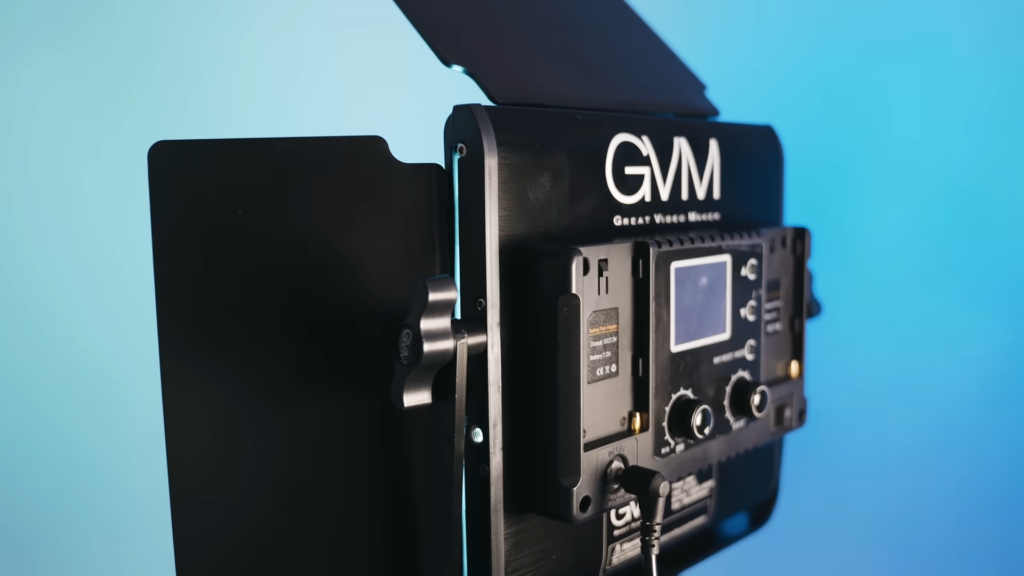
Window light is a great teacher, but it’s an unreliable partner. It changes color temperature throughout the day, disappears after sunset, and can’t be repositioned to match a specific shot. An LED panel solves all three problems at once — fixed, adjustable color temperature that stays consistent from the first frame to the last, brightness that can be dialed up or down without waiting for the weather to cooperate, and full control over angle and distance from the subject. The tradeoff is that panels require a bit of setup knowledge, but that knowledge transfers to every future lighting scenario, while natural light skills are largely location-specific.
how to choose your first professional studio lighting setup
Beginners should prioritize three things over raw specs: adjustable color temperature (so the light matches daylight, tungsten, or anything in between), a wide, even beam that doesn’t require precise positioning to avoid harsh shadows, and simple controls that don’t require a manual to operate mid-shoot. A two-light kit is worth considering from day one rather than buying single lights piecemeal — a second light for fill or background separation solves the “flat, single-source” look that gives away a beginner setup, and buying both together is usually cheaper than buying twice.
best photography light panel for beginners
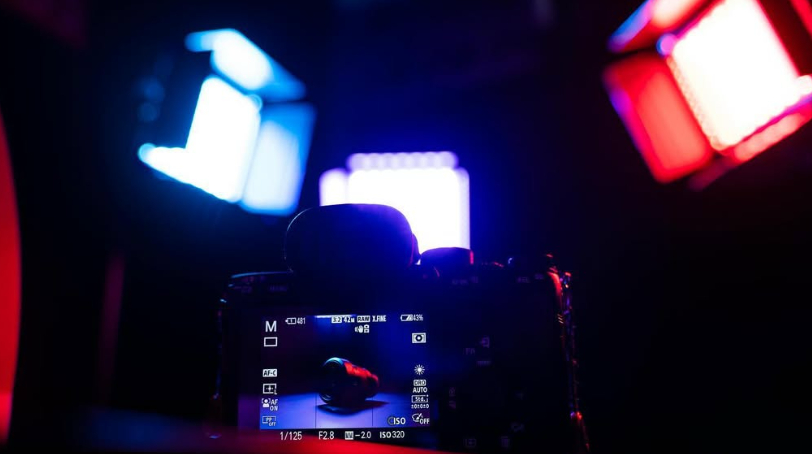
The GVM-800D-II 2-Light Kit is built around exactly this beginner use case: two identical 40W bi-color and RGB panels that cover color temperature adjustment, creative color effects, and wireless control without a steep learning curve.
| Feature | Spec | Why it matters for beginners |
|---|---|---|
| Color Temperature Range | 3200K–5600K | Matches both warm indoor and daylight-balanced shooting without gels |
| CRI | ≥97 | Accurate skin tones and colors straight out of camera |
| Hue / Saturation | RGB 0°–360°, 0–100% | Creative color effects without buying separate colored gels |
| Dimming | Stepless | Fine brightness control instead of jarring preset steps |
| Control | Knob + Bluetooth app + master-slave | Adjust both lights from one unit once you’re comfortable |
| Power | AC or NP-F battery (sold separately) | Usable indoors on mains or outdoors on battery |
| Kit Contents | 2 lights | One kit covers key and fill light from the start |
Hands-On Notes
Tested by our review team across several beginner-style home studio setups. In practice, the master-slave control meant one light could be adjusted from the other’s knob without walking back and forth between stands — a small detail that matters most in the early sessions when you’re still learning to fine-tune brightness by eye. The stepless dimming made it easy to balance key and fill without visible jumps in exposure between test shots.
Pros
- Two lights out of the box solves the flat, single-source look beginners often struggle with
- CRI 97+ kept skin tones consistent without needing color correction afterward
- Master-slave control simplified adjusting both lights together once positioned
Cons
- NP-F batteries aren’t included, so battery-powered outdoor use requires a separate purchase
- The 120° beam angle is wide and diffuse, so it benefits from a softbox or diffusion if you want more directional control
- The LCD display is functional but basic compared to higher-end studio fixtures
Conclusion
Professional studio lighting isn’t about buying the most expensive single light — it’s about having consistent color, enough control to shape it, and a second source to avoid the flat look that gives away a beginner setup. A two-light bi-color and RGB kit like the GVM-800D-II covers that foundation in one purchase, letting a new photographer focus on learning composition and exposure instead of fighting inconsistent light.
Ready to stop fighting bad light in your photos? Explore the GVM-800D-II 2-Light Kit to get consistent, professional studio lighting from your very first shoot.